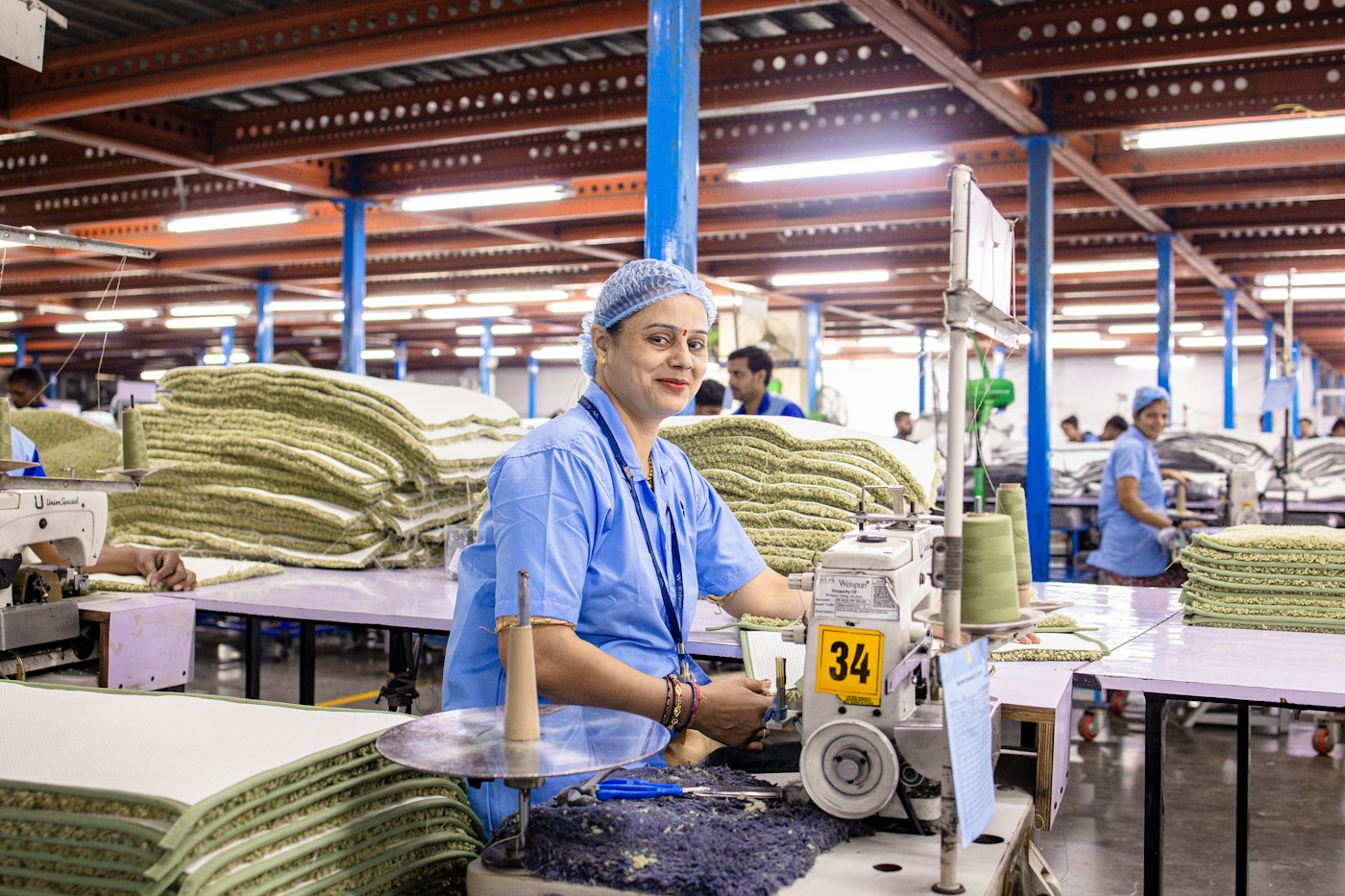
APPLICATION 01
Appliances & lighting
Household appliances, lamps, luminaires and lighting control equipment.
INTERNATIONAL / ELECTRICAL PRODUCT SAFETY
Use the IECEE CB Scheme to support recognition of electrical product safety test results across participating markets.
YOUR MARKETInternational
YOUR FOCUSProduct safety
OUR APPROACHConnected compliance support

01 / THE BIG PICTURE
Expanding into international markets often requires compliance with multiple national safety regulations. Manufacturers frequently face the challenge of repeating similar testing and certification activities for different countries, resulting in increased costs, longer timelines, and duplicated efforts.
The IECEE CB Scheme was developed to simplify this process by enabling mutual recognition of product safety test reports and certification results among participating countries.
Through a single CB Test Report and CB Certificate, manufacturers can use internationally recognized safety evidence to support applications for multiple national certifications worldwide.
At Complise Global, we assist manufacturers, OEMs, importers, exporters, and global brands in obtaining CB Certification and leveraging it for faster market access across international markets.
02 / WHERE IT APPLIES
Start with your product’s intended use and category. Here are some of the applications covered in this service.
Household appliances, lamps, luminaires and lighting control equipment.
Computers, servers, networking products and audio-video equipment.
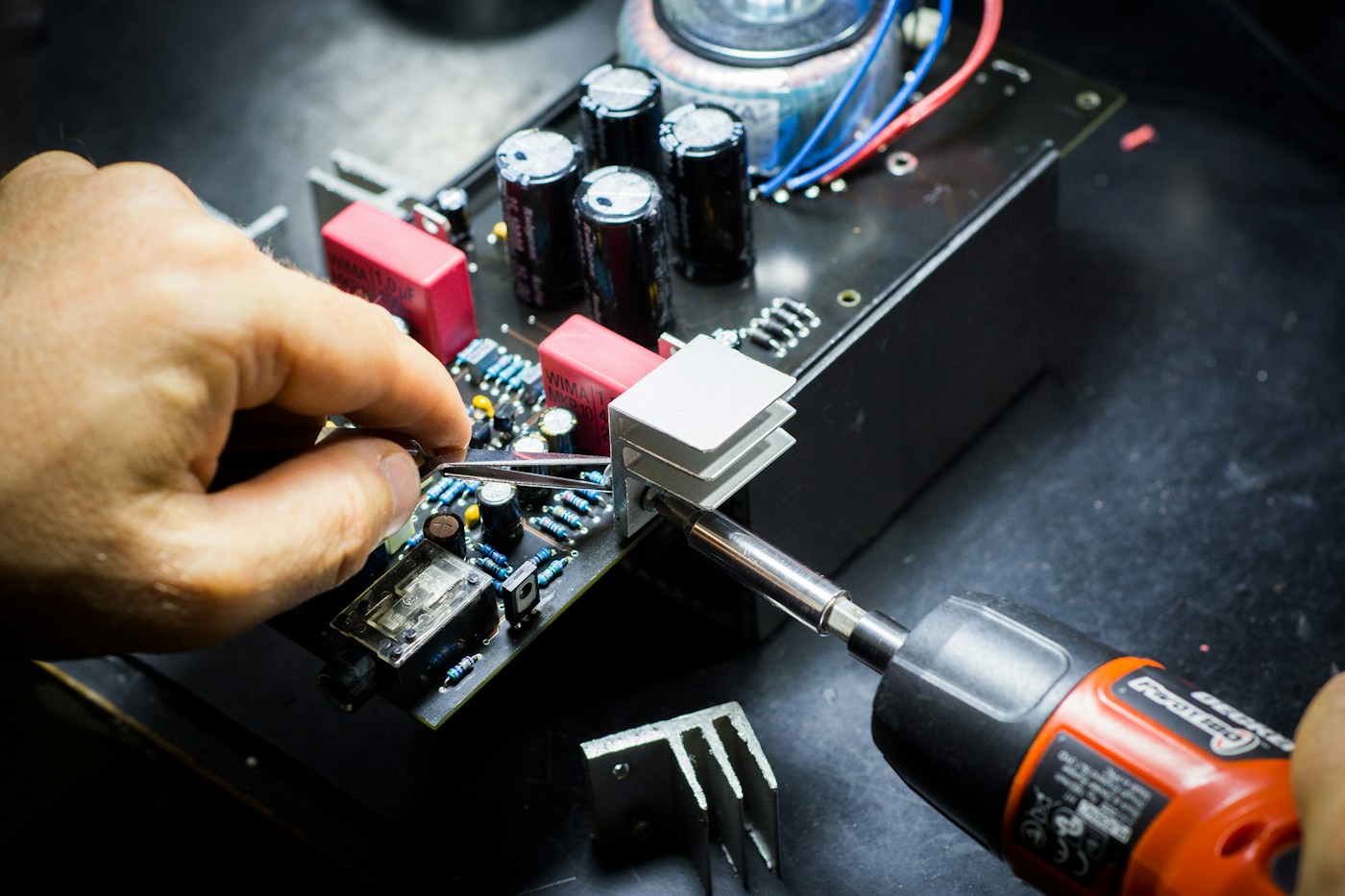
Power supplies, laboratory equipment, power tools and measurement equipment.
These are examples. The applicable route depends on your product specifications and target market.
03 / THE PATH FORWARD
Move from the first assessment to a prepared submission with a structured, product-specific plan.
Assess product scope and the applicable electrical safety standard.
Organize construction details, component information and safety records.
Support testing and preparation of the CB Test Report.
Coordinate technical evaluation for the CB Certificate.
Use CB documentation to support local approvals and review national differences.
One connected workflow, with your product at the center.
Create your product brief04 / EXPLORE THE DETAILS
Open a topic for the full guidance, product requirements, documentation and practical considerations.
15 topics in this guide
The CB Scheme (Certification Bodies Scheme) is an international conformity assessment system operated by the IECEE.
The scheme enables participating certification bodies to recognize product safety test results conducted in accordance with applicable IEC standards.
Under the CB Scheme:
The CB Scheme significantly reduces duplicate testing and accelerates global certification projects.
Global manufacturers often need separate approvals for different countries.
Examples include:
Without a CB Certificate, manufacturers may need to repeat testing multiple times for similar safety requirements.
The CB Scheme helps businesses:
Minimize repetitive product testing.
Support faster certification across multiple countries.
Utilize a single internationally recognized test report.
Simplify international compliance management.
Demonstrate conformity with recognized IEC standards.
No.
CB Certification is generally voluntary.
However, many manufacturers obtain CB Certification because it simplifies approval processes in multiple countries and reduces certification costs.
While a CB Certificate often supports local certification applications, it does not automatically replace national regulatory approvals.
Each country maintains its own market access requirements.
The CB Scheme is based on mutual recognition among participating certification bodies.
The product is tested against applicable IEC standards.
A detailed safety evaluation report is prepared.
An authorized National Certification Body issues the CB Certificate.
The CB documentation is used to support country-specific certification projects.
Manufacturers obtain local approvals in target markets.
This approach significantly reduces duplication of testing and documentation efforts.
The CB Scheme covers a broad range of electrical and electronic products.
Applicability depends on the availability of relevant IEC standards.
The CB Scheme is accepted by more than 50 participating countries and certification systems worldwide.
Common destinations include:
CB reports are frequently used to support BIS certification projects.
CB documentation often supports SAA certification applications.
CB reports are widely used during GCC G-Mark certification.
CB reports may support KC certification pathways.
CB testing can facilitate BSMI approvals.
CB documentation is frequently utilized during PSE certification.
Many CE safety evaluations rely on IEC-based standards aligned with European requirements.
The exact acceptance level depends on the target country's regulations.
To obtain a CB Certificate, manufacturers typically need:
Selection of the correct product safety standard.
Testing through an accredited CB Testing Laboratory (CBTL).
Preparation of safety and compliance documentation.
Evaluation by an authorized NCB.
Confirmation that the product satisfies applicable IEC requirements.
Two organizations play a central role in the CB Scheme.
Responsible for:
Responsible for:
Only recognized CBTLs and NCBs can participate in the CB Scheme.
Determine applicable IEC standards.
Compile technical and safety records.
Testing through an accredited CBTL.
Generation of the CB Test Report.
Technical evaluation by the certification body.
Grant of CB Certificate.
Utilization of CB documents for local approvals.
Typical documentation includes:
Requirements vary depending on the product category and applicable IEC standard.
Unlike many national certifications, CB Certificates generally do not carry a fixed universal expiry period.
However, validity may be affected by:
Manufacturers should review compliance whenever significant modifications occur.
Although CB Certification itself is voluntary, failure to obtain required national certifications may result in:
Each country applies its own enforcement measures under local regulations.
Many companies encounter difficulties because of:
Early planning significantly improves certification efficiency.
Our services include:
We help manufacturers, importers, exporters, OEMs, startups, and multinational organizations leverage the CB Scheme to accelerate approvals across global markets and simplify international compliance.
Try “testing”, “documents” or “process”.
Requirements vary by product, intended use and market. Confirm the applicable standards and current regulatory route before proceeding.
05 / A LITTLE MORE CLARITY
Practical answers to common questions about CB Scheme.
No. CB Certification is generally voluntary but highly valuable for global certification projects.
Usually no. Most countries still require national approvals, although CB documentation can significantly simplify the process.
The scheme is recognized by more than 50 participating countries and certification systems worldwide.
Many electrical and electronic products covered by IEC safety standards can participate in the CB Scheme.
A CB Test Report is often accepted as supporting documentation but does not automatically replace BIS certification requirements.
Timelines depend on product complexity, applicable IEC standards, testing requirements, and certification body review procedures.
KEEP YOUR POSSIBILITIES OPEN

Prepare for ethical trade audits covering labour standards, health and safety, environmental performance, and business ethics.

Identify applicable European requirements, prepare technical documentation, and coordinate the conformity assessment route for your product.

Prepare electrical, electronic, industrial, and consumer products for independent safety evaluation and North American market acceptance.
LET’S PLAN WHAT’S NEXT
Turn your product details and market ambitions into a clear starting point.
Create my product briefService marks and organization names identify the standards and regulatory topics discussed. They do not indicate certification of, affiliation with, or endorsement of Complise Global.